Watching A Silent Movie
How long has it been since you watched a silent movie? Or perhaps you have never watched one. Well, I saw a few this past week and was reminded of one of my favorite experiences – it was an opportunity to watch a classic silent film the way it was intended to be watched: in an ornate classic theater and accompanied by the glorious sounds of a vintage pipe organ. And it turns out that this is still an experience that is available to savor.
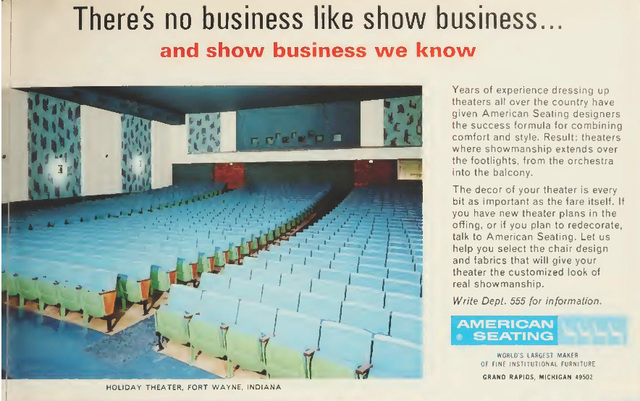
I grew up in Fort Wayne, Indiana. And as with anyone else of my age group, going to the movies was a big thing. In the 1960s and 1970s, we had quite a few theaters from which to choose. The most convenient were the Holiday theaters in the Northcrest shopping center. I remember seeing movies at the Holiday as a kid in the 1960’s, and by 1970 it had opened a second screen. The Holiday was everything the modern moviegoing experience was supposed to be.
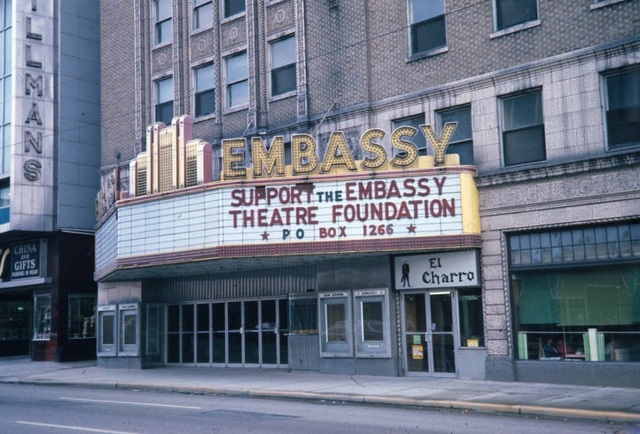
But there was one theater that was different from all the others – because it was old and it was downtown. Even in the late 1960’s, I knew the old Embassy Theater (which appears to have been spelled “Theatre”) was special. It was a grand old movie house from the era when everyone went to the movies all the time. I think I may have only seen one or two movies at the Embassy in the final years before plans were being made to tear it down in the early 1970’s. The one I remember vividly was 2001: A Space Odyssey – an experience with my father in what must have been one of the biggest mismatches of movie and theater in cinema history.
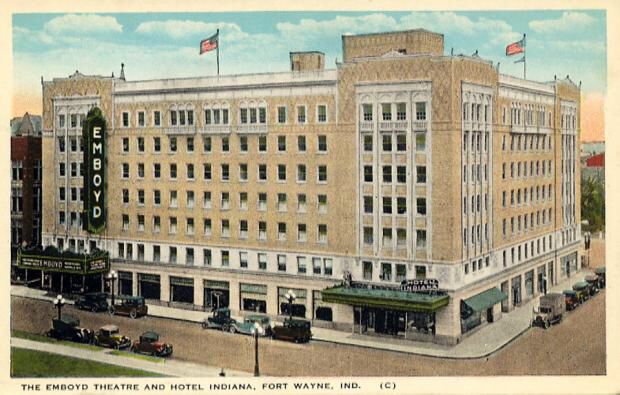
The theater, originally named The Emboyd, opened on May 14, 1928 as a venue for Vaudeville acts and movies. Designed by John Eberson, the theater’s stately exterior concealed an interior that was was a visual feast of ornate detail. And in that era before sound came to the movies, the theater included an aural feast – a Grande Page organ. This organ was one of only three or four (depending on source) Grandes made by the Page Organ Company of Lima, Ohio. This organ, which included 1,100 pipes and multiple other sound effects, turned out to be the catalyst for saving the entire theater, which re-opened with a basic level of refurbishment in 1975. It is also one of only two Grand Pages still operating in the building of its first installation.
These theater organs (Wurlitzer was a better-known manufacturer) were elaborate instruments that were designed to supplant the stage orchestra that had been an early staple of live Vaudeville shows. And in their day they were a significant draw over smaller movie houses where a piano was used for accompaniment.
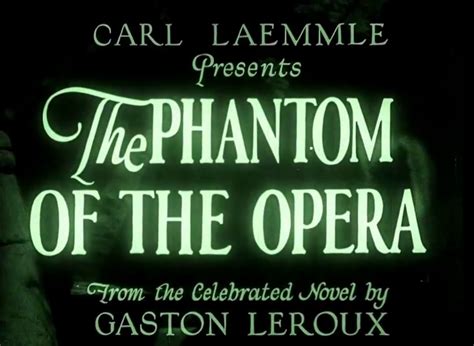
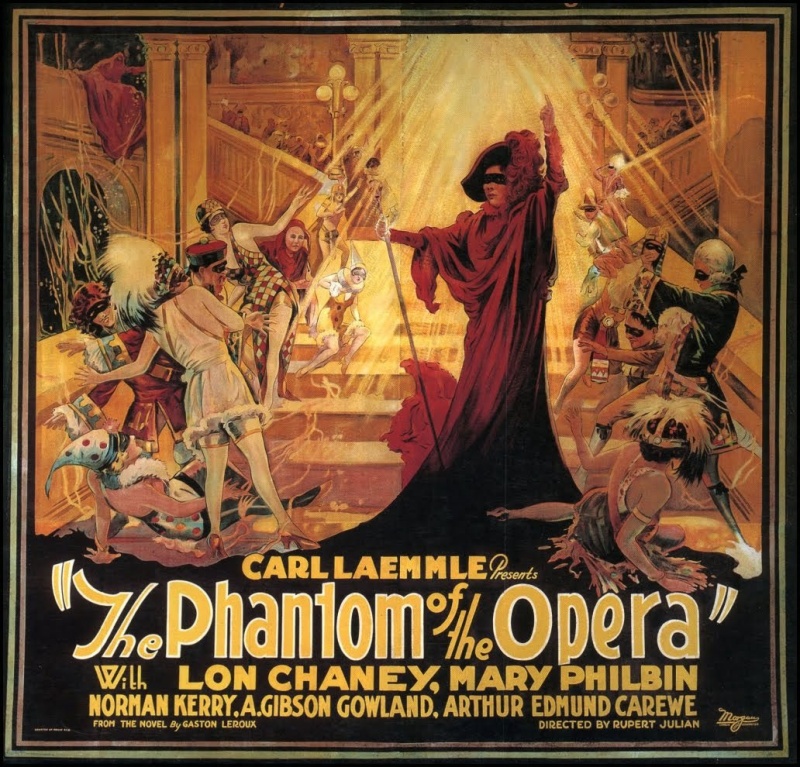
1975 was the year that my best friend Dan asked if I wanted to go with his family to see a silent movie at the re-opened Embassy. Dan and I did everything together in those days, and so I was all-in. After entering the classic lobby and finding our balcony seats, I experienced a thrill I have never forgotten. The film was the 1925 silent classic “The Phantom Of The Opera”, and starred the incomparable Lon Chaney as The Phantom. For the hour and a half I got a full immersion experience in 1920’s cinema, which included the action on the screen, the ornate surroundings and the lush accompaniment by the old organ.
One of the blogs I follow is written by a British woman who is a fan of vintage film and television. She recently wrote a tribute to Lon Chaney, who was one of the biggest stars of the silent era. Coincidentally, Turner Classic Movies also featured several Chaney films, which gave me another opportunity to see The Phantom.
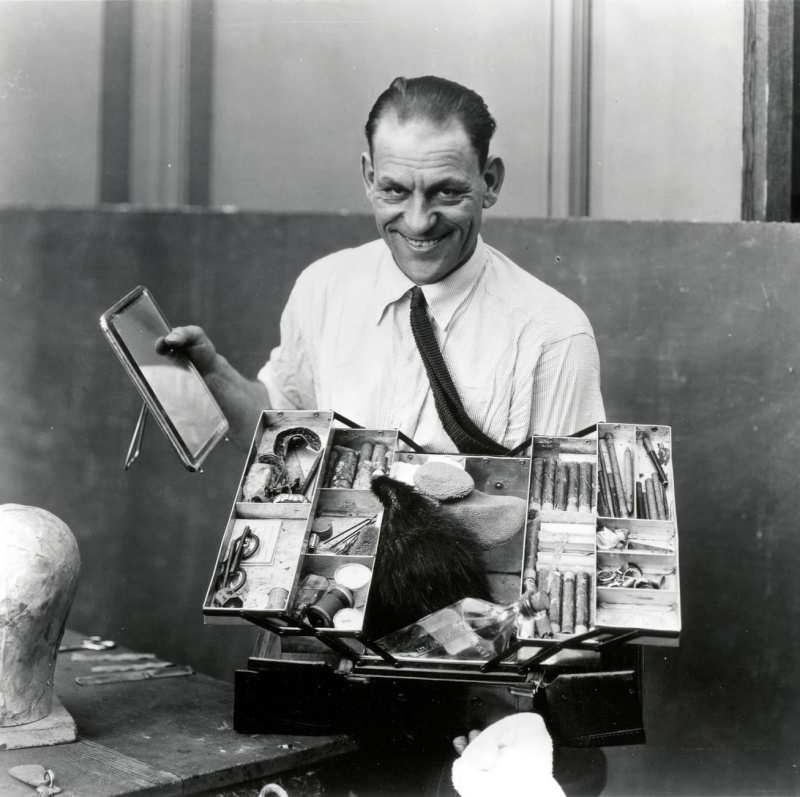
For those unfamiliar, Lon Chaney was born in 1883 and was in film from the time of its infancy in the mid 1910s. Chaney became skilled with makeup and disguise, which brought him into a rarefied status for the ability to play all kinds of grotesque characters. Known as “The Man Of A Thousand Faces”, he immortalized literary characters like The Phantom and The Hunchback of Notre Dame for generations of movie fans. Beyond his rare abilities to change his appearance, Chaney, who grew up as the child of deaf-mutes, had an amazing ability to visually connect with audiences in those days before actors were expected to speak. Sadly, Chaney died in 1930, of lung cancer at the age of 47, after making but a single talking picture.
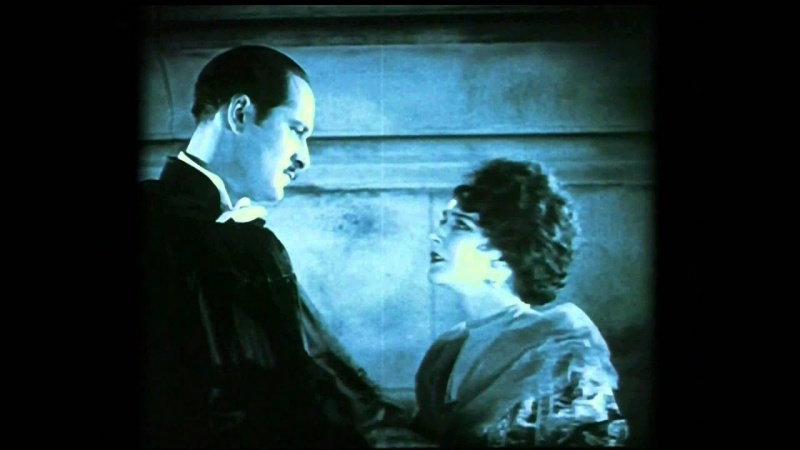
In doing a little research, it quickly became clear that any version of The Phantom that we can experience today is the result of much editorial discretion. This is mainly because the original 35mm version of the film from 1925 has been lost to time. The material that remains available is several copies of a 16 mm version produced by Universal as a “watch at home” product in the 1930’s (at least for those with movie setups in their homes), all of which are have become seriously deteriorated. Universal also re-issued the movie with sound scenes in 1929, and re-shot many of the original scenes. A 35mm print made in 1950 for The Eastman House museum seems to be the best extant print, but it contains many anomalies that have film buffs debating about it a century after the movie made its debut. Universal declined to renew its copyright in 1953 and the film has been in the public domain ever since, ensuring that anyone with a mind to (and the skills) can take a crack at a new restoration, and there are rumors that some people are applying AI to some of the old prints to come up with a closer approximation to the original 1925 print.
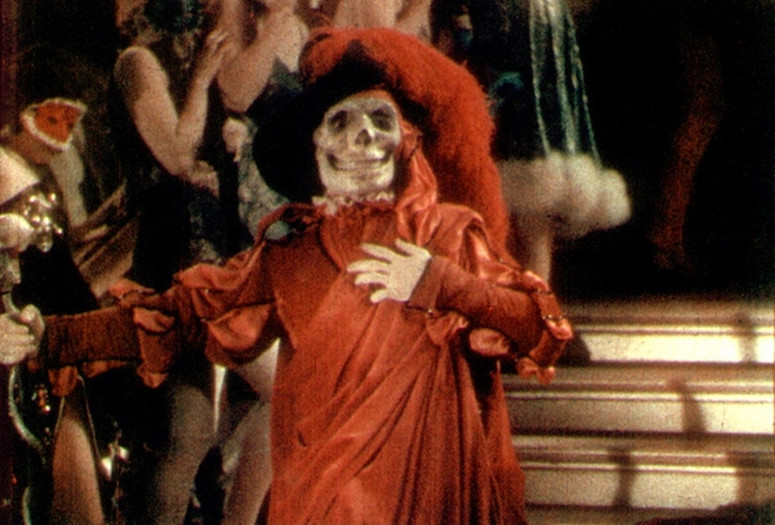
One thing which I found utterly fascinating in 1975 (and still do) was that several minutes of the original movie were filmed in an early 2-color version of Technicolor. I had no idea that color film was even a glint in someone’s eye in 1925, though a prior deep dive here tells us it was more than that. One thing I do not recall experiencing in 1975 was the many scenes that were tinted blue, red or yellow in the restoration/reconstruction that was shown on TCM. Research indicates that some prints of the 1925 release were likely tinted in this way, but not all of them were. Frankly, I found the tinting distracting. But then again, I am quite used to watching old movies in black and white and think they look best without the tints.
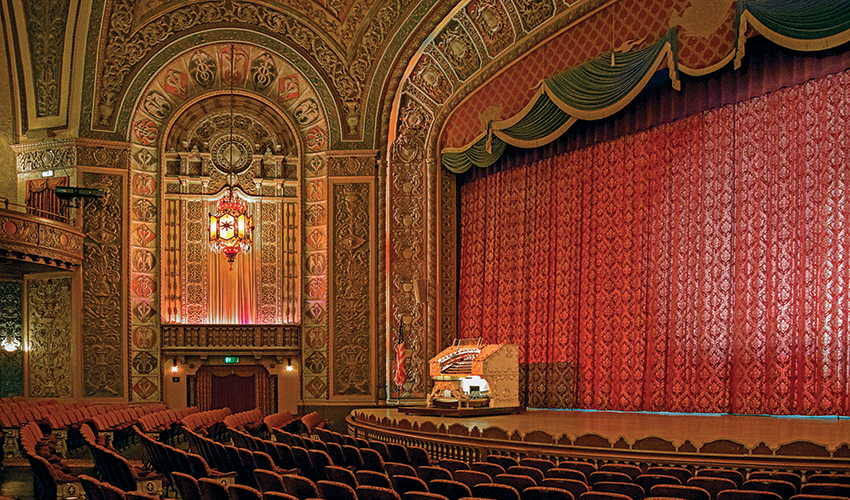
Even though I can watch a classic movie on a large, high-quality screen in my home (something that only the richest people could do a century ago, and only without sound), I must confess that the experience pales with that in my memory from over 50 years ago. But it turns out that my experience is one that can be re-lived today because The Embassy Theater continues to show silent movies accompanied by its fabulous organ. In fact, the experience is probably far more luxurious than it was in 1975 because both the theater itself and the organ have undergone multiple waves of restoration and investment since that time.
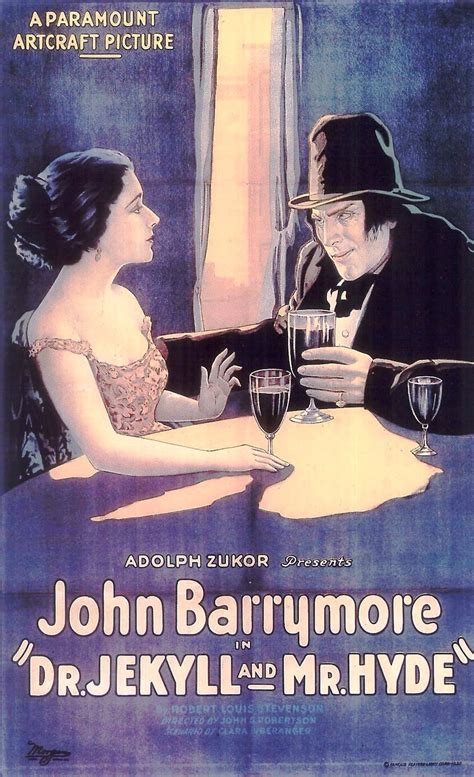
In fact, you still have time to see a vintage horror movie (it is, after all, the Halloween season) at The Embassy. The theater will present a screening (link here) of the 1920 Paramount classic “Dr. Jekyll and Mr. Hyde” at 7:30 p.m. on Saturday, October 17th. Had I known about it before writing this, I might have made plans to get there. Perhaps I will be able to arrange my life to see a similar show in the future.
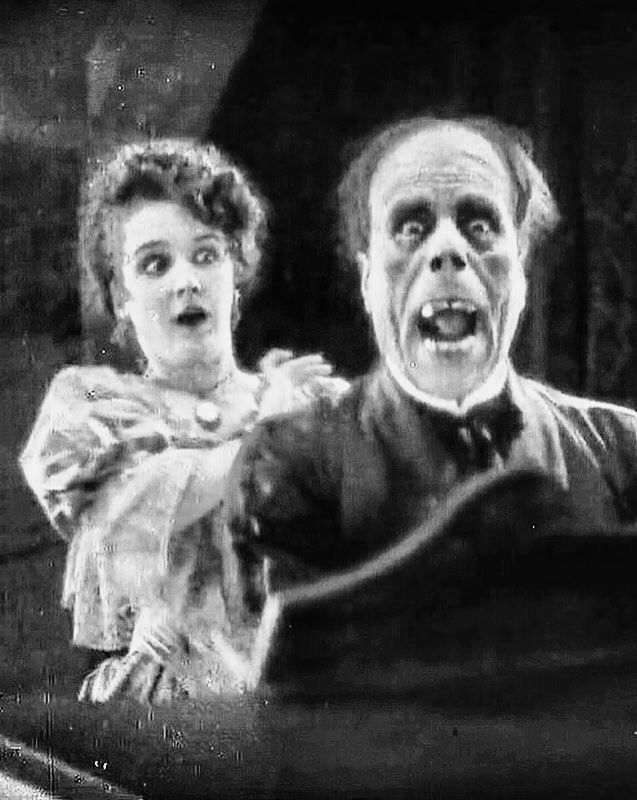
“The Phantom Of The Opera” has been remade multiple times on film (most notably in 1943, 1989 and 2004) and also as a stage musical by Andrew Lloyd Weber. I do not recall seeing any of these. My youthful experience 50 years from the movie’s debut made such an impression that Lon Chaney’s Phantom is the only one for me. If I ever find that the movie is again on the Embassy’s bill, I will do my best to be there for it.
Why do I find an ancient silent movie so compelling over a century after the curtain first rose on it? Some of it seems campy today, but in large part its ability to tell a story remains undiminished. And the film captures Lon Chaney’s uncanny ability to humanize an evil monster that would have been as two dimensional as the the words on this screen in the hands of any other actor. But I will confess that any screening I have experienced on the small screen falls short in its audio track. The orchestral sound track on newer releases of the film are fine, but they will never match that majestic Page pipe organ that I experienced the first time.


Can’t say I remember seeing a movie at the Holiday I-II but my timeline matches up and it’s possible. Probably in the 70s an office building was added that later became home to a Bandido’s restaurant the family frequently ate at. Definitely remember the Holiday 6 built just west in the late eighties and saw a lot of movies there. It’s the only part of the complex still standing.
AC took me to a Beatles tribute band show and an ABBA tribute at the Embassy maybe twenty years ago. I still haven’t been in a more stunning theater (theatre?).
LikeLiked by 1 person
As for the Holiday, I still remember when we called it “The Holiday” because it was a single screen (just like every other theater I knew of).
You really ought to check The Embassy’s calendar from time to time for one of the movie showings. If the $10 ticket price for the one next weekend is any guide, there cannot be a better entertainment bargain. And you are right about the grandeur of the theater. Years ago, I came to Indianapolis expecting everything here to be bigger and better than the things I knew from Fort Wayne. But when it comes to vintage theaters, The Embassy cannot be beat by any extant theater here. The Circle Theater is nice, but it is minor league compared to the Embassy.
LikeLiked by 1 person
The Holisay was unique in that its owners didn’t just build a wall down the middle when they twinned. If I recall, the second auditorium was added on, but it was hard to tell.
I’ll definitely check the Embassy schedule. You’re right, those prices are hard to beat.
Anderson has a phenomenal old theater, the Paramount. It’s not as large as the Embassy nor as grand, but it’s a fully-restored atmospheric theater and is absolutely incredible inside. Then there’s Muncie’s AMC 12. lol.
LikeLiked by 1 person
I have been to the Paramount one time, for a local jazz band performance. You are right, it is a beautiful place, far grander than anything I expected in Anderson. It is indeed a gem.
LikeLiked by 1 person
Nice essay!
My “big old theater” experiences include the State in South Bend as a child, and as a young adult the Indiana in Terre Haute and the Morris Performing Arts Center (nee the Palace) in South Bend. Those buildings were a real spectacle!
My first job was as an usher in a mall movie theater. It started as a single screen affair, but was “twinned” somewhere along the way before I started working there. They just took out a bunch of seats in the middle, built a wall, and installed smaller screens. The seats were still all aimed toward the middle of the formerly larger room.
LikeLiked by 1 person
Thanks! Those old movie theaters were amazing places, and it is sad that so many have been lost because of deterioration and changing times. It is also amazing that even smaller cities could boast of places like this.
LikeLike
I’ve never watched any silent films in any such fashion. When I was quite young, I remember my uncle showing some old silent films (I think Laurel and Hardy, but not entirely sure) in his house. And we had a VHS copy of a Charlie Chaplin movie (Gold Rush?)…
LikeLiked by 1 person
The comedies still hold up pretty well today – well done physical comedy never really goes out of style. I think the dramatic movies require a higher degree of geekdom from the viewer, but some of those still work too.
Really, Hollywood churned movies out like penny candy in the teens and 20’s, and it is a really small percentage of that output that still survives. The early cellulose nitrate film stock was unstable stuff, and I have read estimates that 75-90% of silent films no longer exist in any form.
LikeLike
So much good stuff here!
It’s strange to think about things like the original negatives for a major studio film from the 1920s being lost to time, but that seems to be so common for films of that era (not counting what was lost in the Universal fire in 2008). Sure, stuff deteriorated, but more often stuff was simply tossed out. It makes me wonder what we’re losing from our own time that people will be scratching their heads over in 100 years.
I’d love to hear the Grand Page organ. I wonder how it compares to a Wurlitzer. I’ll bet it sounds great, as I also suspect that a good part of how one of those machines sound has to do with the acoustics of the building…and any of them in an original grand theater is going to sound grand.
Your mention of the Eastman House reminds me that the Eastman House (Museum) in Rochester NY does periodically have screenings of some of these incredibly rare prints that they warehouse in a gigantic underground vault. Special tours of the storage facility are available and even just hearing about how they handle the films (they actually spend time moving them around and sending prints around the country) is fascinating.
LikeLiked by 1 person
From what little I have read, those old film stocks (basically anything before 1951) were made of a material that decomposed quickly, and which would become extremely combustible once deterioration was underway. And when that cellulose nitrate caught fire, it was virtually unquenchable until it burned itself out. I wonder how many building fires were cause by old film that could spontaneously combust at 120 degrees, which any summertime attic could hit.
And I think you are right that nobody considered any of the old silent films worth saving after the advent of talking pictures. Sound movies could be monetized on TV starting in the late 40s, but very few silents (except maybe for comedy shorts) could pull that off, so there was no financial value in most of the old stuff.
I had assumed that the Embassy organ was a Wurlitzer until I looked it up. Wurlitzer was the 800 pound gorilla of the theater organ business, which continued as late as 1942. A side by side comparison would be fascinating, but also impossible. There was a pizza restaurant in Indianapolis in the 70s and 80s called the Paramount Music Palace, which featured a Wurlitzer theater organ rescued from an old movie theater somewhere in California. Pizza and an organ concert would be a great evening, for my money. Unfortunately, the place closed down several years ago.
I’ll bet the Eastman House would be a fascinating place to visit!
LikeLike
It is easy to see why the experience stuck with you. I’ve seen movies in old theaters, although like you, seeing The Empire Strikes Back in an old theatre (The Rialto in Cape Girardeau, MO) was much like your 2001 experience.
I’ve also been to several old theaters since then, but all had transitioned away from movies to doing stage shows and other entertainment.
Somewhere long ago I read there had been a large fire at one of the well known movie studios (Paramount had one in 1983 per my quickie search) that also allegedly helped contribute to the loss of many old films.
LikeLiked by 1 person
That is what the Embassy has done – movies are only occasionally on the bill there. Musical groups and stage performances seem to be the bulk of its programming now. I am just glad they have found a way to survive. You remind me of a video I found where the Cletus Goens is noodling around on the Embassy’s Grande Page by playing the theme from Star Wars. 🙂 (https://youtu.be/kYtxOACt-eI)
I wonder how many fires where films were lost were actually caused by the old film combusting spontaneously vs. starting somewhere else and spreading to the old films.
LikeLike
I’ve only seen bits of the 1925 film. But I still believe movies should be on large screens. I hate the small screen versions. 🤣😎🙃
LikeLiked by 1 person
You are not wrong! No watch experience can match that on the big screen. And the popcorn is always better in theaters, too.
LikeLike
Fab article, JP. I envy you for having had that incredible screening experience. I think a lot of people are surprised when they first learn about the colour tinting in silent films. The visual beauty of so many films of that era remain striking today.
Appreciate the link back to my Lon Chaney piece.
Maddy
LikeLiked by 1 person
I was happy to link back, your piece turned out to be very timely as well as a great read.
In doing a little cursory research, it appears that a number of Wurlitzer theater organs were sent to the UK back when they were being made. There is even a Wiki page on them with a list, so maybe perhaps you might be able to listen to one some time. Even without a film to accompany it would be a treat, but (to me, at least) they are best when they are doing what they were designed to do.
LikeLiked by 1 person
Morning. Turner Classic Movies shows silent films fairly often. They are keeping those films alive.
LikeLiked by 1 person
They are indeed! We watched maybe 2 or 3 other Chaney pictures in a bit of a binge over a few days.
LikeLiked by 1 person
The historic theater in my home town was rescued by a wealthy New York City businessman (and local resident) and is the home of a grand Wurlitzer theater organ. The “Mighty Wurlitzer” is a remarkable musical instrument.
The theater periodically shows silent movies in addition to their standard programming of first-run films, and often includes a short organ concert prior to the movie start. Thanks in part to its proximity to NYC, the theater has also served as a film shooting location for several recent movies.
Lafayette Theater – Suffern, NY link — https://lafayettetheatersuffern.com/
LikeLiked by 1 person
That looks like a lovely old theater! Apparently that Wurlitzer came from an old Massachusetts theater (with a few stops in between). It is fascinating to read about the steps fans have taken to save and re-home these great old theater organs. And according to their website, you are in luck! The Phantom is showing there November 1!
LikeLike
Excellent post – I once went to Chicago to watch that version of Phantom of the Opera with the Chicago Symphony Orchestra playing under it. It was a very neat experience!
LikeLiked by 1 person
Oooh, I’ll bet that was fun!
LikeLiked by 1 person
Isn’t it interesting to think about how wonderful that early movie experience was compared to what many people do today – watch a movie on a phone!
LikeLiked by 1 person
The phone is definitely NOT the way!
LikeLike
I am on my way from Chicago to Frederick, Maryland and we stopped for the night in a town I had never heard of before Lima, Ohio. When we got to the room I opened my email and realized I hadn’t read your post and when I did, what should I find but a reference to Lima!
LikeLiked by 1 person
Haha, great timing! And I’ll give you a hint in case you haven’t heard this – it’s not pronounced Leema (like Peru) but Lime-a (like the citrus fruit).
LikeLiked by 1 person
What a fascinating trip down memory lane, J.P.! Thank you for sharing such a wonderful piece of movie history and your personal memories of seeing The Phantom of the Opera at the Embassy Theatre back in 1975!
I have to admit that I have never watched a silent movie before, so reading your story was quite an interesting experience for me. I especially enjoyed learning about the magnificent pipe organ that accompanied the movie. Being someone who has always loved music, I can only imagine how beautiful and powerful that organ must have sounded throughout the theater!
I also found it interesting that silent movies weren’t necessarily completely silent experiences. The music played such an important role in bringing the story to life, even though the actors weren’t speaking. That’s something I hadn’t really thought about before.
As someone who is totally blind, I experience movies differently today. I depend a great deal on dialogue, sound effects, music, and audio description to understand what is happening. That makes me wonder what it would have been like for someone who was blind to attend one of those silent movie performances many years ago. The music might have helped convey the emotions, but understanding the entire storyline without dialogue or audio description would certainly have been challenging.
I grew up enjoying television shows, cartoons, music, and all kinds of entertainment, and I have always appreciated learning how entertainment has changed from one generation to another. Your story reminds me of how important it is to preserve these wonderful pieces of history so future generations can appreciate them too.
I have a question for you, J.P. When you attended that silent movie with your friend Dan and his family in 1975, did the organ music make you feel as though you were actually part of the story? And do you think today’s audiences would appreciate that same experience, especially younger people who have grown up with modern movies and technology?
Thank you again for sharing these beautiful memories! You’ve certainly taught me something new today! ❤️🎶🎬
LikeLiked by 1 person
I would imagine that few kinds of entertainment would be less fulfilling for a blind person than a silent movie. The musical background would supplement the pictures but would be pretty meaningless without the visual main event.
That is a great question about how relevant this century-old kind of entertainment is to young people. These days a silent movie is as much of an archeological dig as it is entertainment.
My own experience wasn’t so much becoming a part of the experience, but it did make the old film present in the most authentic and original way.
LikeLike
Thank you so much, J. P.! You bring up a very interesting point, and I appreciate you recognizing how different our experiences can be. As someone who is totally blind, I rely heavily on sound, dialogue, music, and audio descriptions to understand what is happening in a movie. With silent movies, that presents a whole different challenge because so much of the story is told through facial expressions, movements, and visual scenes.
I’ve never actually watched a silent movie before, but your experience has certainly gotten me thinking! I love music, and I imagine the live organ accompaniment must have been something special. However, without someone describing the action, I would probably miss much of the story.
That’s why accessibility is so important to me. We may experience the same entertainment differently, but everyone deserves an opportunity to enjoy it.
Let me ask you something, J. P. If you had the opportunity to experience another silent movie with someone who is totally blind, how would you go about making that experience more accessible and enjoyable for them? I’d love to hear your thoughts! ❤️
LikeLiked by 1 person
Yes, silent movies were certainly before the age of accessibility!
If I were to try to make one of these accessible to the blind, it would probably require a running description of the action on screen (including gestures and facial expressions) and reading the occasional cards with printed dialog that appear from time to time.
Conversely, this is almost perfect entertainment for the deaf, because it is 100% visual.
LikeLike
JP, I often comment on your posts that I’ve never read that book, heard that singer, saw that movie … so this time I have indeed seen silent films, BUT, because I had to for school. One of the required courses in my journalism core curriculum at Wayne State University was about the history of films. What does that have to do with print journalism? I was not aiming for a degree in broadcast journalism. Sigh. Anyway, this class involved watching several silent movies which the professor brought in for us to watch in class. They were films of “The Great Train Robbery” and also some Buster Keaton and Mary Pickford films. Then we had to write about those movies. It was an odd class to be honest. The professor had one of the earliest VCRs on the market. He was very excited about that, told us how much it cost (maybe $1,800.00??? – it was back in 1977 or 1978, so a long time ago). He would tape shows and bring them in – we had to watch them.
I went with my parents to see “Dr. Zhivago” at the United Artists Movie Theatre in downtown Detroit. It was a beautiful historical building and the theatre and screen were very large and I the sound was magnificent, that beautiful “Lara’s Theme” filling the theatre.
LikeLiked by 1 person
It sounds like your prof was a fan of old movies and found a way to work them into the curriculum. 🤔 I am not sure that forcing young people to watch silent films for a grade is the best way to make new fans.
I hope Detroit has been able to preserve that theater!
LikeLiked by 1 person
That could be re: the prof. I also had to take a class in pop culture media and at the time, “People Magazine” was a fairly new publication. We had to buy/read and do a synopsis of each issue published during the time period of this course as a final term paper. That was a little more interesting to me. 🙂 I just Googled the United Artists Theatre and learned it was torn down in 2022, destined to become a high-rise tower. I also learned it opened in 1928 with the silent film “Sadie Thompson” starring Gloria Swanson.
LikeLiked by 1 person
Oh, that’s sad about the theater!
LikeLiked by 1 person
I thought so too JP!
LikeLiked by 1 person
Great hearing “Back Home in Indiana” on that fabulous organ and hearing about your experience watching a silent film in a grand old theatre.
The highly ornate 1929 Loew’s Jersey Theatre in Jersey City has been restored, along with its antique organ, which is a Wonder Morton. These cream-colored organs with gilded scrollwork look as though they were made in heaven! I have not yet visited this theatre to experience it myself.
Pipe organs appear in churches, sports stadiums, movie theatres–all of which may be considered “places of worship”. (Although the people are worshiping different things!)
LikeLiked by 1 person
I grew up in the Lutheran church, and nobody appreciates a good pipe organ more than the Lutherans from those days. So I really enjoyed the backstage tour of the organ in the Leows Jersey! It is a deep rabbit hole, but fascinating to trace the histories of individual instruments from the theaters where first installed to later homes.
And I agree – everyone worships something.
LikeLike
Maybe the Episcopalians (I grew up in the Episcopal church).
LikeLiked by 1 person
Lots to comment on here! Milwaukee (the 13th largest city in the United States until the 60’s) had multiple high-end movie houses back in the day. Some were referred to as “atmospherics”, i.e. theaters that had a “theme” and some with ceiling cloud projectors for the full experience! Four of the big ones were the Venetian, The Avalon, The Egyptian, and the Oriental (and then there were big ‘event’ theaters, like the Warner downtown). The Avalon and the Oriental are still working, with the Oriental running silent films with not only an organ, but some events with a full orchestra!
When we first moved to Milwaukee 1964, my mother took us to see A Hard Day’s Night at the Egyptian. It was an event with spooky Egyptian statues and lit rubies in the heads, all over the theater. The theater was closed in 1972 and demolished in 1984, mostly because it existed in an old upper middle class neighborhood that had fallen on hard times, and no one was interested in putting the money into it to get it restored. A similar fate for the Venetian, which closed as early as 1954, a victim of television. The Oriental and Avalon survived because they remained in “good” neighborhoods and people went to them regularly.
I once found a book by a local author at the Milwaukee Library, dated around the early 60’s, and trying to cover all the theaters that used to be in Milwaukee and the surrounding suburbs. I was amazed at the number of theaters, and the neighborhoods they were in (you can see the buildings today, but can’t imagine a theater in them). Basically pre-television, virtually all neighborhoods has a local theater, and after dinner, you’d walk a block or two to get there and see what was on offer for a quarter or so. Film offerings were usually changed every 3-4 days, and always double features. It was pretty obvious from the book, that over half the theaters listed closed in a five year period in the 50’s, all a victim of television. Between 1950 and 1955, television ownership jumped from 3 million households, to well over 30 million households!
When it comes to silent films, I’ve had a crush since I was in my teens, on silent film star Louise Brooks. I actually have DVD’s of the German G.W. Pabst’s silent films with her as the star: Diary of a Lost Girl, and Pandora’s box. Funny that Jeff Sun mentions the George Eastman House (which I only made it to in my 40’s). As a wild-cat with nine lives, Brooks ended up moving to Rochester in 1956, at the behest of James Card, Curator for the George Eastman Museum, to study silent film, and write commentary’s on films and who she knew in the day, for the museum. Brooks died in 1985 (and was still listed in the Rochester phone book in the late 70’s when I looked her up). I was delighted to find a cafe when I was there called Lulu’s, in homage to her.
LikeLiked by 1 person
BTW, the old Warner theater downtown, which had been bought, fixed up a little and renamed the Grand, ended up with a 70 million dollar renovation project and repurposed as the home for the Milwaukee Symphony!
https://www.elmbrookrotary.org/stories/milwaukee-symphony’s-beautiful-new-home
LikeLiked by 1 person
That’s interesting, and I love that it is still used and appreciated. It follows the arc of the old Circle Theater on Monument Circle in downtown Indianapolis, which saw an extensive renovation and became the home of the Indianapolis Symphony Orchestra. It is not as ornate as others, probably because it dates to 1916. It is reputed to be the first purpose-built movie palace west of New York.
LikeLike
I too was amazed to learn all about the little neighborhood theaters in larger cities. A few of them still exist, though often as concert venues. But most of them were not the ornate spectacles that the big downtown theaters often were.
I will have to look into Louise Brooks.
LikeLike
Brooks sort of abandoned the silliness of American cinema at the time to go to Germany and work with G.W. Pabst making artful films. Pabst’s film Pandora’s Box (premiering in 1929) featuring Brooks, was a masterpiece. The film, portraying Brooks as a hedonistic wanton, contains arguably one of the first lesbian sequences in film, showing Brooks dancing with an older woman at a party, where it’s obvious that they have “history”. You can see a couple of seconds of it in this restored trailer. You’ve got to give it to the pre-WW2 Germans and German expressionist art and film, of which I’m a big fan; they were on the leading edge!
https://www.youtube.com/watch?v=HFNHjkusaYA
LikeLiked by 1 person
New to me, will have to remember this.
LikeLike
Brooks was born in Cherryvale, Kansas, and spent her childhood in the state.
Another Cherryvale resident was none other than Vivian Vance, aka Ethel Mertz on I Love Lucy. Sources say they were childhood friends.
LikeLiked by 1 person
Pingback: Anderson’s phenomenal Paramount | Hiding in Plain Sight
Nice history behind this.
LikeLiked by 1 person
Thanks! I love diving into Lake Arcane. 😛
LikeLiked by 1 person
My small town had an old theater that was in operation until 1984. The last movie I saw there was Footloose. The theater wasn’t terribly elaborate, but it was easy to tell that the place had been built during the 1920s. It was demolished around 1985, and now a bank occupies that lot.
My grandmother – born in 1913 – told me that her older brother drove her and some cousins to Carlisle (about 25 miles from Shippensburg) to see their first “talking movie.” This was in the late 1920s. She said that a movie with sound was the most amazing thing she had ever seen at that point in her life!
LikeLiked by 1 person
With movies being silent it’s no wonder there was a market for Vaudeville. But talking pictures changed everything.
I think that’s analogous to home entertainment. Phonographs were crude and sounded terrible, but every middle class house had an upright piano and someone who could play it. Once home hi-fi became common in the 50s, the home piano went into a long slow slide. Today you can go online and get as many free 1920s upright pianos as you want!
LikeLiked by 1 person
And once most of them have been scrapped, the remaining ones become valuable collectibles.
LikeLiked by 1 person
Talk about home entertainment! I hear stories of independent electronics repair people (read “Hi-Fi” and “Stereos), being jam packed and weeks to months behind because they’re restoring those 60’s-70’s era home console stereos like the Magnavox, Zenith, and Grundig units. Apparently “kids” with deep pockets are on the prowl for these, and restored, they go in the $3500. to $5000. range! Especially the “full unit” models with the AM/FM receiver, turn-table, AND reel-to-reel! I remember my parents Magnavox well, but today, make mine the Magnavox Mikado in rubbed black lacquer:
https://www.youtube.com/watch?v=p-dsiFFM1fU
LikeLiked by 1 person
As a kid, I always wished my parents had splurged on one of those big, impressive Hi-Fi/Stereo cabinet models, but we made do with a late 50’s portable record player into the early 70s when I got a modern stereo setup for my own. I have never seen one of these!
LikeLike
I gave up watching silent movies because I like to watch movies at home while multi-tasking. I now have the same problem with foreign language movies that are dubbed. I have to watch them in the theater.
LikeLiked by 1 person
Ain’t that the truth! Silent movies demand your full concentration. I have discovered that they are not great watching at mealtimes – every time you have to look down at your plate you miss some of the action.
LikeLiked by 1 person
I’ve never watched a silent movie….other than a few snatches of an early version of Anne of Green Gables, which I think was silent? But wow, that theatre is absolutely gorgeous!
LikeLiked by 1 person
It really is! I need to go back.
LikeLiked by 1 person