Watching A Silent Movie
How long has it been since you watched a silent movie? Or perhaps you have never watched one. Well, I saw a few this past week and was reminded of one of my favorite experiences – it was an opportunity to watch a classic silent film the way it was intended to be watched: in an ornate classic theater and accompanied by the glorious sounds of a vintage pipe organ. And it turns out that this is still an experience that is available to savor.
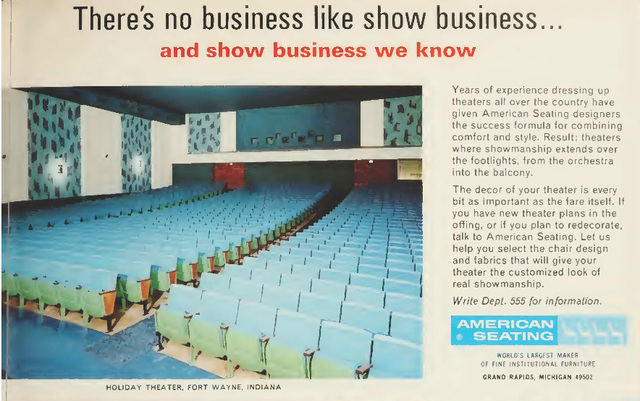
I grew up in Fort Wayne, Indiana. And as with anyone else of my age group, going to the movies was a big thing. In the 1960s and 1970s, we had quite a few theaters from which to choose. The most convenient were the Holiday theaters in the Northcrest shopping center. I remember seeing movies at the Holiday as a kid in the 1960’s, and by 1970 it had opened a second screen. The Holiday was everything the modern moviegoing experience was supposed to be.
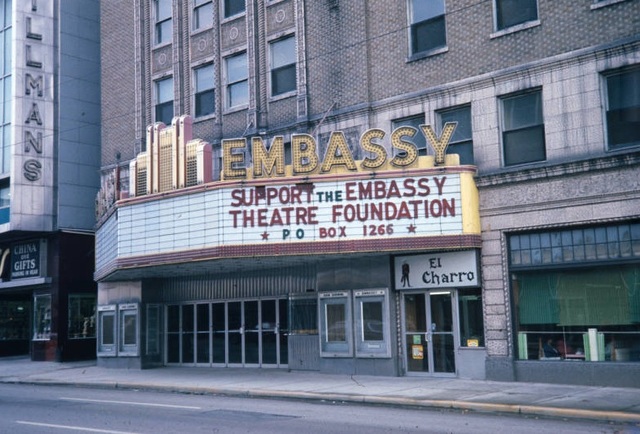
But there was one theater that was different from all the others – because it was old and it was downtown. Even in the late 1960’s, I knew the old Embassy Theater (which appears to have been spelled “Theatre”) was special. It was a grand old movie house from the era when everyone went to the movies all the time. I think I may have only seen one or two movies at the Embassy in the final years before plans were being made to tear it down in the early 1970’s. The one I remember vividly was 2001: A Space Odyssey – an experience with my father in what must have been one of the biggest mismatches of movie and theater in cinema history.
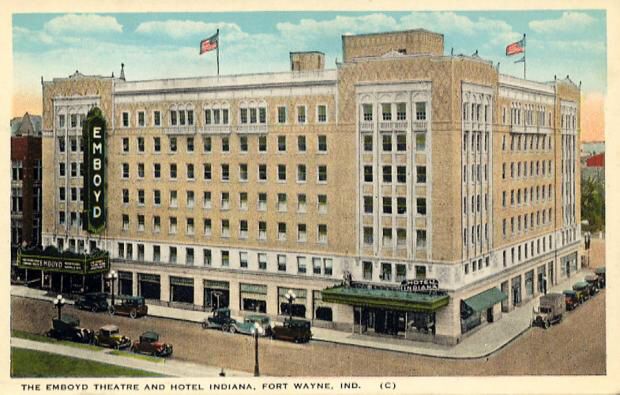
The theater, originally named The Emboyd, opened on May 14, 1928 as a venue for Vaudeville acts and movies. Designed by John Eberson, the theater’s stately exterior concealed an interior that was was a visual feast of ornate detail. And in that era before sound came to the movies, the theater included an aural feast – a Grande Page organ. This organ was one of only three or four (depending on source) Grandes made by the Page Organ Company of Lima, Ohio. This organ, which included 1,100 pipes and multiple other sound effects, turned out to be the catalyst for saving the entire theater, which re-opened with a basic level of refurbishment in 1975. It is also one of only two Grand Pages still operating in the building of its first installation.
These theater organs (Wurlitzer was a better-known manufacturer) were elaborate instruments that were designed to supplant the stage orchestra that had been an early staple of live Vaudeville shows. And in their day they were a significant draw over smaller movie houses where a piano was used for accompaniment.
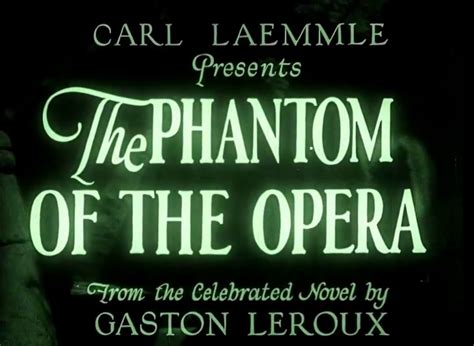
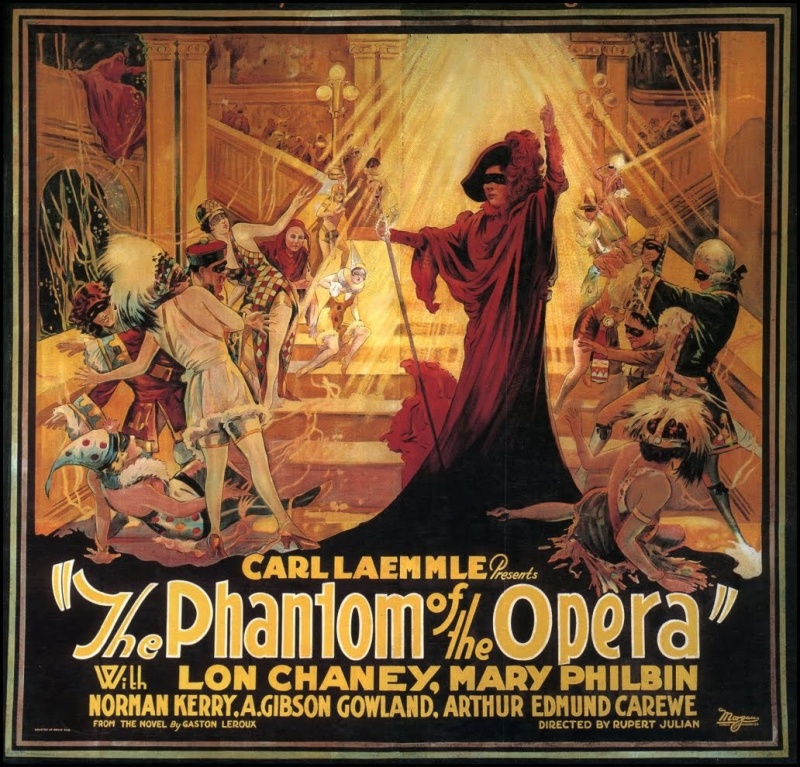
1975 was the year that my best friend Dan asked if I wanted to go with his family to see a silent movie at the re-opened Embassy. Dan and I did everything together in those days, and so I was all-in. After entering the classic lobby and finding our balcony seats, I experienced a thrill I have never forgotten. The film was the 1925 silent classic “The Phantom Of The Opera”, and starred the incomparable Lon Chaney as The Phantom. For the hour and a half I got a full immersion experience in 1920’s cinema, which included the action on the screen, the ornate surroundings and the lush accompaniment by the old organ.
One of the blogs I follow is written by a British woman who is a fan of vintage film and television. She recently wrote a tribute to Lon Chaney, who was one of the biggest stars of the silent era. Coincidentally, Turner Classic Movies also featured several Chaney films, which gave me another opportunity to see The Phantom.
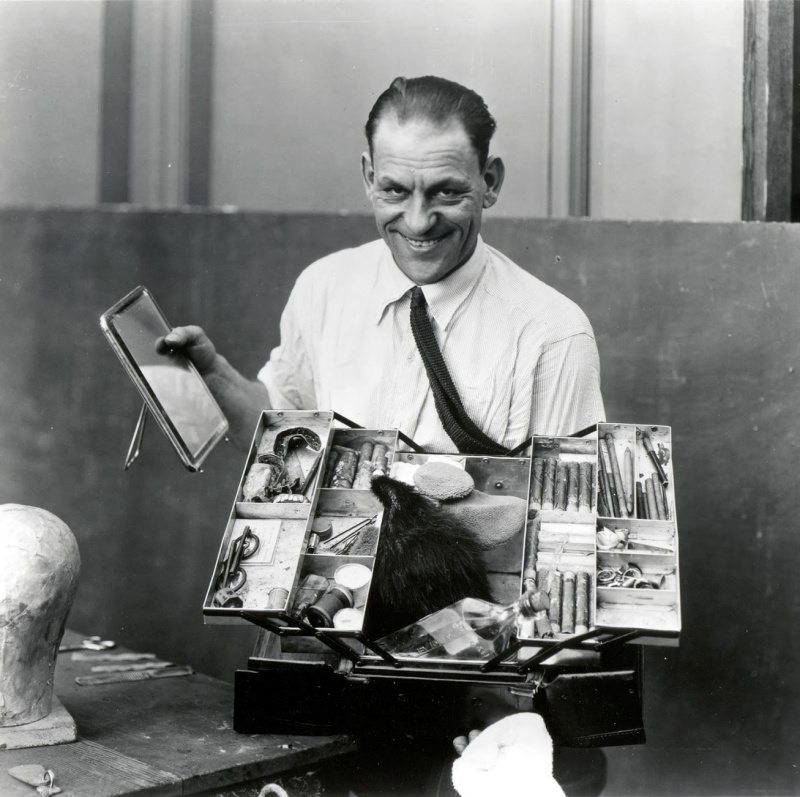
For those unfamiliar, Lon Chaney was born in 1883 and was in film from the time of its infancy in the mid 1910s. Chaney became skilled with makeup and disguise, which brought him into a rarefied status for the ability to play all kinds of grotesque characters. Known as “The Man Of A Thousand Faces”, he immortalized literary characters like The Phantom and The Hunchback of Notre Dame for generations of movie fans. Beyond his rare abilities to change his appearance, Chaney, who grew up as the child of deaf-mutes, had an amazing ability to visually connect with audiences in those days before actors were expected to speak. Sadly, Chaney died in 1930, of lung cancer at the age of 47, after making but a single talking picture.
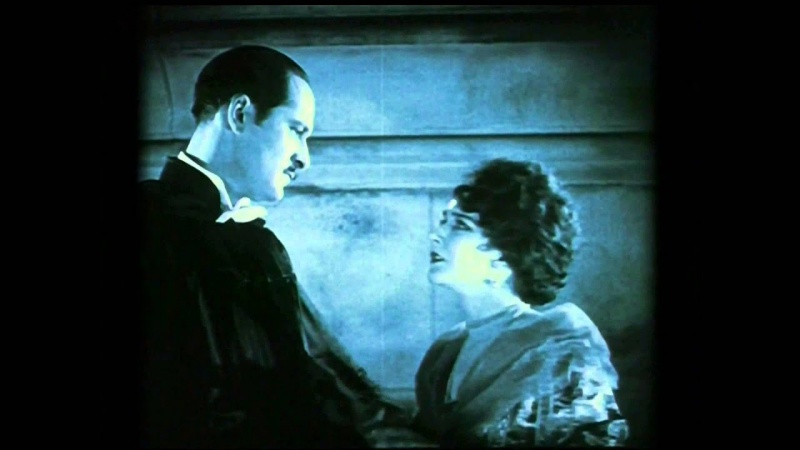
In doing a little research, it quickly became clear that any version of The Phantom that we can experience today is the result of much editorial discretion. This is mainly because the original 35mm version of the film from 1925 has been lost to time. The material that remains available is several copies of a 16 mm version produced by Universal as a “watch at home” product in the 1930’s (at least for those with movie setups in their homes), all of which are have become seriously deteriorated. Universal also re-issued the movie with sound scenes in 1929, and re-shot many of the original scenes. A 35mm print made in 1950 for The Eastman House museum seems to be the best extant print, but it contains many anomalies that have film buffs debating about it a century after the movie made its debut. Universal declined to renew its copyright in 1953 and the film has been in the public domain ever since, ensuring that anyone with a mind to (and the skills) can take a crack at a new restoration, and there are rumors that some people are applying AI to some of the old prints to come up with a closer approximation to the original 1925 print.
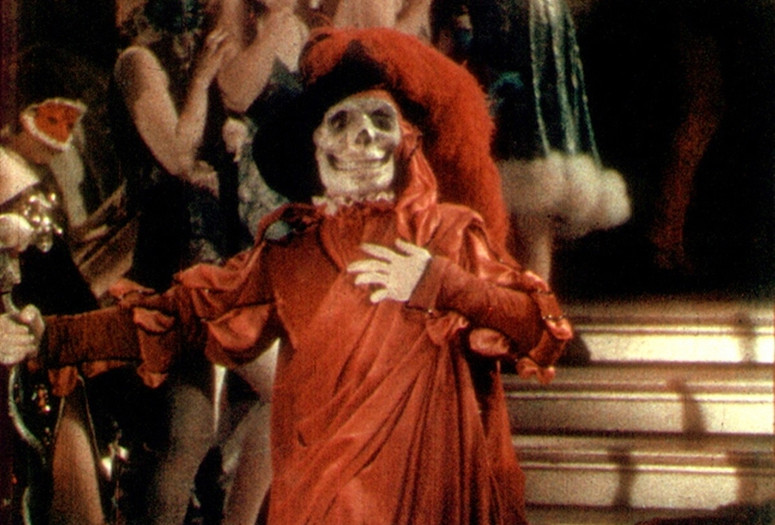
One thing which I found utterly fascinating in 1975 (and still do) was that several minutes of the original movie were filmed in an early 2-color version of Technicolor. I had no idea that color film was even a glint in someone’s eye in 1925, though history tells us it was more than that. One thing I do not recall experiencing in 1975 was the many scenes that were tinted blue, red or yellow in the restoration/reconstruction that was shown on TCM. Research indicates that some prints of the 1925 release were likely tinted in this way, but not all of them were. Frankly, I found the tinting distracting. But then again, I am quite used to watching old movies in black and white and think they look best without the tints.
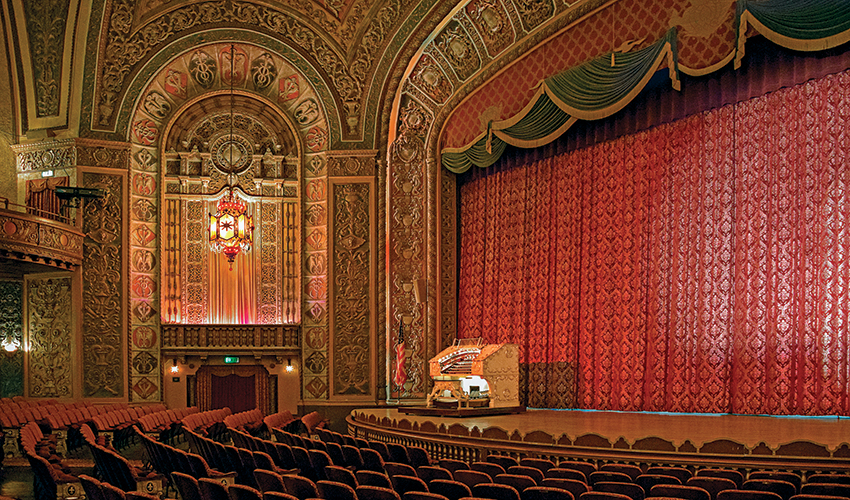
Even though I can watch a classic movie on a large, high-quality screen in my home (something that only the richest people could do a century ago, and only without sound), I must confess that the experience pales with that in my memory from over 50 years ago. But it turns out that my experience is one that can be re-lived today because The Embassy Theater continues to show silent movies accompanied by its fabulous organ. In fact, the experience is probably far more luxurious than it was in 1975 because both the theater itself and the organ have undergone multiple waves of restoration and investment since that time.
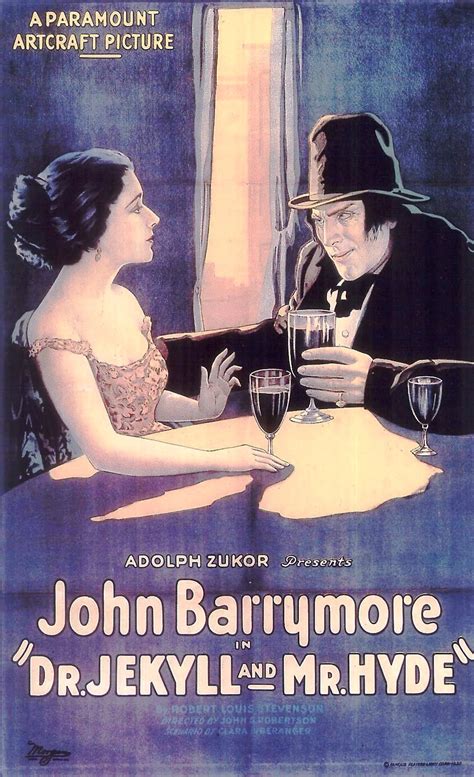
In fact, you still have time to see a vintage horror movie (it is, after all, the Halloween season) at The Embassy. The theater will present a screening (link here) of the 1920 Paramount classic “Dr. Jekyll and Mr. Hyde” at 7:30 p.m. on Saturday, October 17th. Had I known about it before writing this, I might have made plans to get there. Perhaps I will be able to arrange my life to see a similar show in the future.
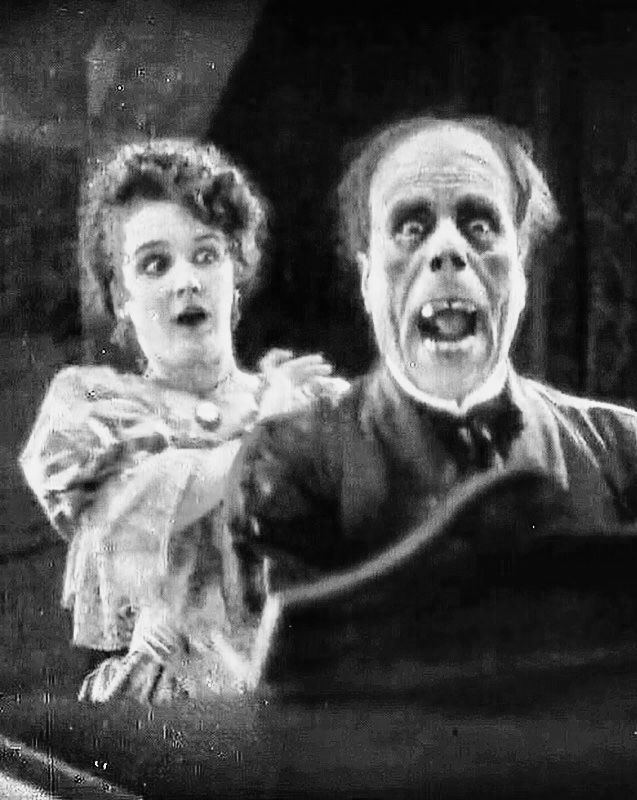
“The Phantom Of The Opera” has been remade multiple times on film (most notably in 1943, 1989 and 2004) and also as a stage musical by Andrew Lloyd Weber. I do not recall seeing any of these. My youthful experience 50 years from the movie’s debut made such an impression that Lon Chaney’s Phantom is the only one for me. If I ever find that the movie is again on the Embassy’s bill, I will do my best to be there for it.
Why do I find an ancient silent movie so compelling over a century after the curtain first rose on it? Some of it seems campy today, but in large part its ability to tell a story remains undiminished. And the film captures Lon Chaney’s uncanny ability to humanize an evil monster that would have been as two dimensional as the the words on this screen in the hands of any other actor. But I will confess that any screening I have experienced on the small screen falls short in its audio track. The orchestral sound track on newer releases of the film are fine, but they will never match that majestic Page pipe organ that I experienced the first time.

